

How To Choose The Right Hearing Aid In 2026 A Practical Guide For Adults 50 Plus
If you’re 50+ and noticing you can “hear” people but can’t always understand them—especially in restaurants, family gatherings, or on
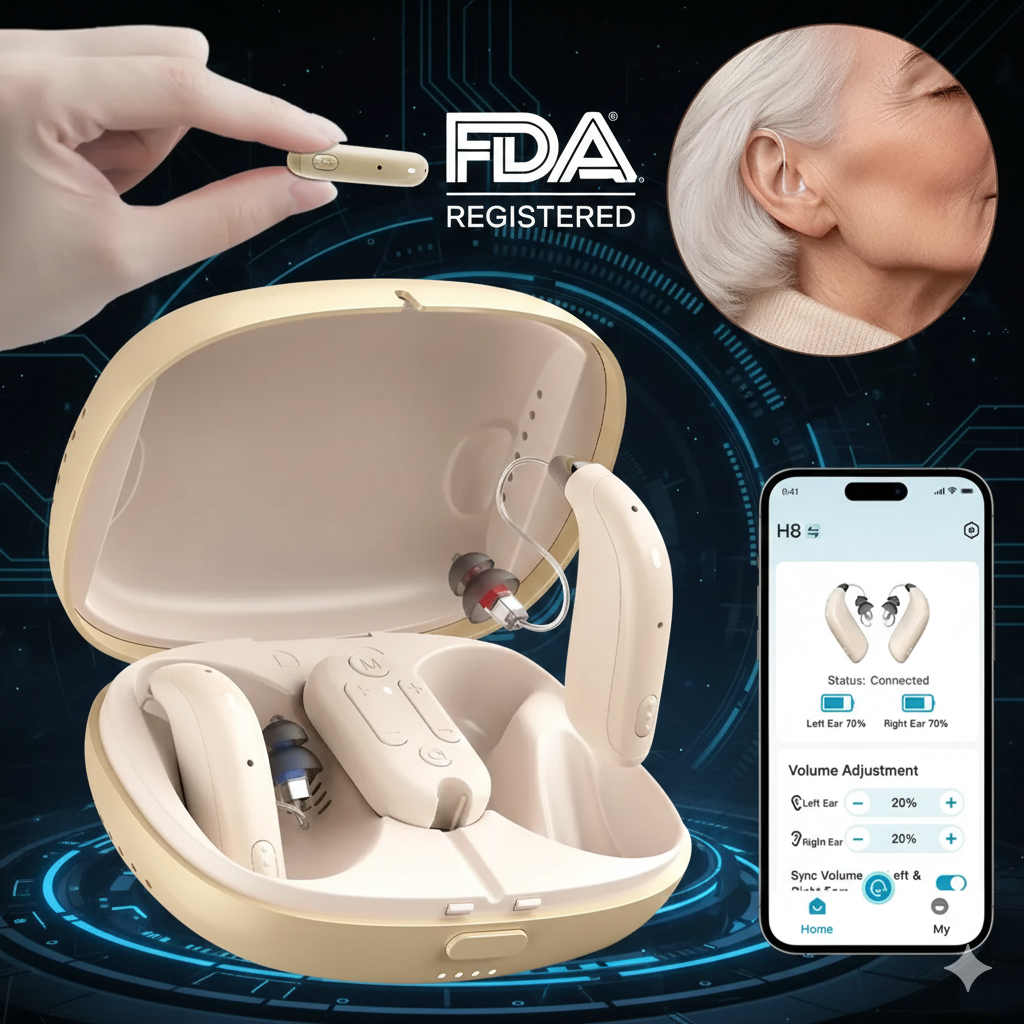
Over-the-counter (OTC) hearing aids are real medical devices regulated by the U.S. Food and Drug Administration (FDA). That regulation is a big reason OTC hearing aids became safer and easier to compare: the FDA sets who OTC hearing aids are for, how loud they’re allowed to be, and what information must appear on the box so you can make a smarter purchase. (U.S. Food and Drug Administration)
This guide explains the most important FDA rules in plain English and gives you a quick checklist for buying with confidence in 2026.
The FDA defines OTC hearing aids as hearing aids you can buy without a prescription or a required visit to an audiologist or ENT. They’re intended for adults who believe they have mild to moderate hearing loss. (U.S. Food and Drug Administration)
Two key points matter for shoppers:
If you suspect severe or profound hearing loss, the FDA specifically warns OTC hearing aids may not provide enough benefit because of output limits. (U.S. Food and Drug Administration)

A major FDA “guardrail” is how loud an OTC hearing aid can get.
Under the OTC controls, the general maximum output limit is 111 dB SPL, with 117 dB SPL allowed when input-controlled compression is activated. (Legal Information Institute)
Why you should care:
The FDA didn’t just create a “new category.” It also tied OTC hearing aids to specific technical performance expectations by using parts of ANSI/CTA-2051 as an electroacoustic baseline. (Federal Register)
In practice, that means OTC hearing aids are expected to meet objective criteria around things that affect real listening quality, such as:
This matters because it’s one of the key differences between an FDA-regulated OTC hearing aid and a generic “amplifier” product.
One of the best consumer protections is packaging and labeling.
The FDA explains the OTC hearing aid regulation requires important information on the outside package so you can review it before purchasing. (U.S. Food and Drug Administration)
When you’re shopping online, that means reputable sellers should show the same “outside box” information somewhere in the listing or images. If you can’t find it, the FDA suggests contacting the seller or manufacturer. (U.S. Food and Drug Administration)
Look for these items (or language very close to them):
(Exact wording can vary by manufacturer, but the presence of these concepts is the important part.)
The FDA’s consumer guidance draws a clean line:
A helpful way to think about it:
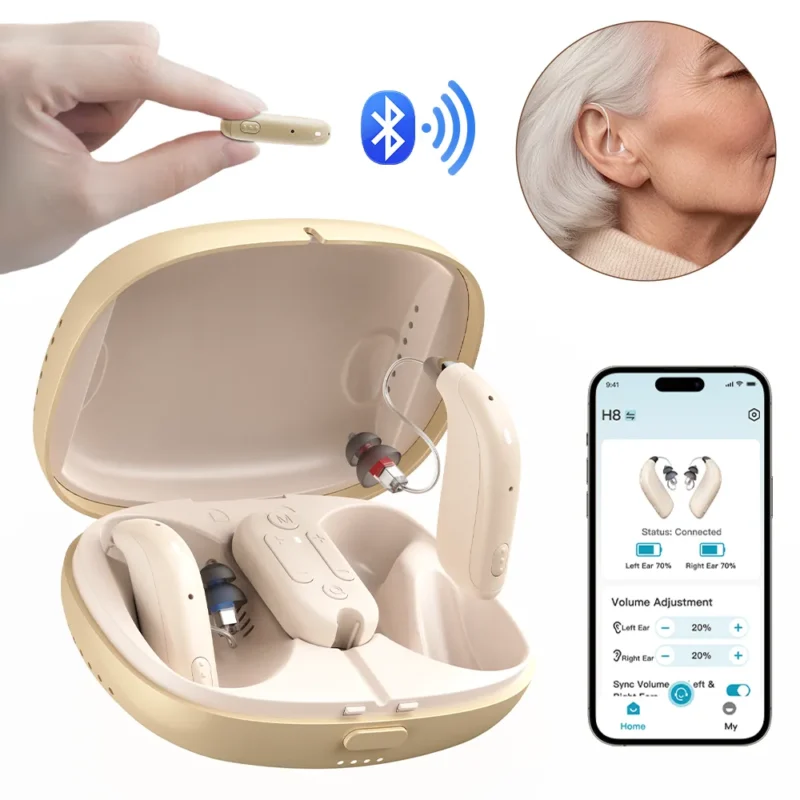
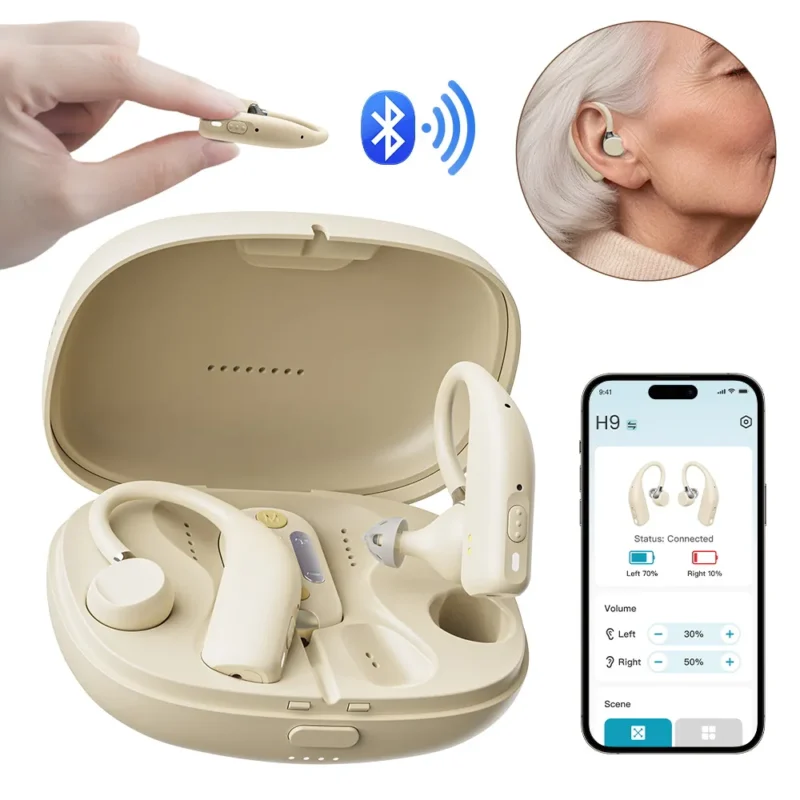
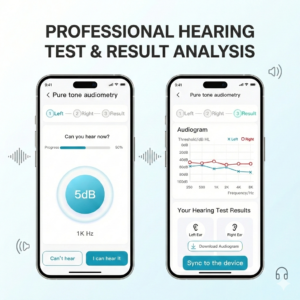
The FDA explicitly recognizes that OTC hearing aids can allow users to customize settings through tools, tests, or software, and it describes “self-fitting” devices as offering greater customization through technology like hearing tests, software, and smartphone apps. (U.S. Food and Drug Administration)
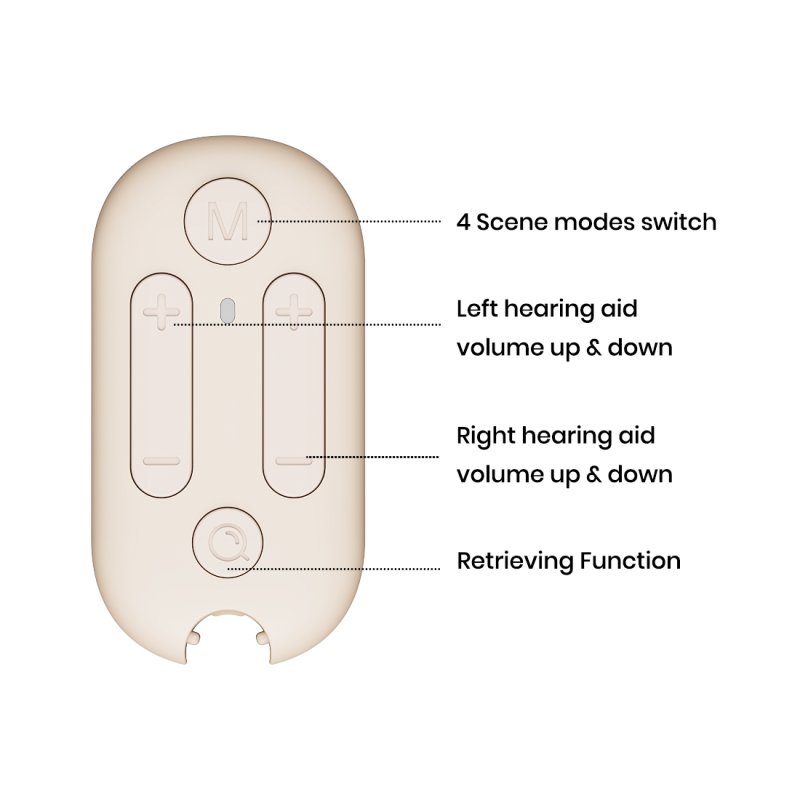
That’s why many modern OTC devices now include:
For consumers, this is a major shift: you can fine-tune your experience at home instead of needing repeated clinic visits—while still operating inside a regulated category with safety limits and labeling rules.

You’ll see products online marketed as “sound amplifiers.” Some of those may be PSAPs (personal sound amplification products), which are typically marketed for non-hearing-loss situations (like hunting or birding) rather than treating hearing loss.
A simple consumer habit:
When in doubt, use the FDA’s OTC hearing aid consumer page as your baseline for what should be disclosed. (U.S. Food and Drug Administration)
OTC hearing aids improve access, but they’re not the best choice for every situation.
FDA and other reputable health sources emphasize OTC is intended for mild-to-moderate perceived hearing loss. If you suspect severe/profound loss or have medical warning signs, you should seek professional help. (U.S. Food and Drug Administration)
Go get evaluated promptly if you have:
Before you click “Buy,” run this checklist:
If you’re 50+ and noticing you can “hear” people but can’t always understand them—especially in restaurants, family gatherings, or on

The Annoying Whistle Is Not Your Fault If you’ve ever put on a hearing aid and heard that sharp “eeee”
If you’re 50+ and noticing you miss words (not just sounds), you’ve probably thought about going to a hearing clinic—then

If you’re 50+ and struggling to hear family conversations, TV dialogue, or the person across the dinner table, you’re not