

FDA Regulations for OTC Hearing Aids What They Mean for You in 2026
Over-the-counter (OTC) hearing aids are real medical devices regulated by the U.S. Food and Drug Administration (FDA). That regulation is
Here’s a WordPress-ready draft based on your inputs and the latest OTC hearing aid info.
If you use over-the-counter (OTC) hearing aids, you already know how much they can help you follow conversations and enjoy daily life. In the U.S., tens of millions of adults report some trouble hearing, and hearing loss becomes even more common as people get older.(NIDCD)
OTC hearing aids were created so adults with mild to moderate hearing loss can buy hearing aids directly, without a prescription. They’re meant to be set up and adjusted by you, the user.(U.S. Food and Drug Administration) A simple, well-designed remote control makes that much easier.
In this guide, you’ll learn what a remote control for OTC hearing aids does, how to use its special features (including a lost-and-found light), and how to stay safe while getting the most from your devices.
OTC hearing aids are a special category of hearing aids in the United States. The U.S. Food and Drug Administration (FDA) and the National Institute on Deafness and Other Communication Disorders (NIDCD) say these devices are:(U.S. Food and Drug Administration)
They are designed so you can adjust them yourself. Many people like OTC hearing aids because they can be more affordable and easier to access than traditional prescription devices. Early research from the U.S. Government Accountability Office suggests OTC hearing aids can work well for adults in this group.(U.S. Government Accountability Office)
If you want more background later, you can read:
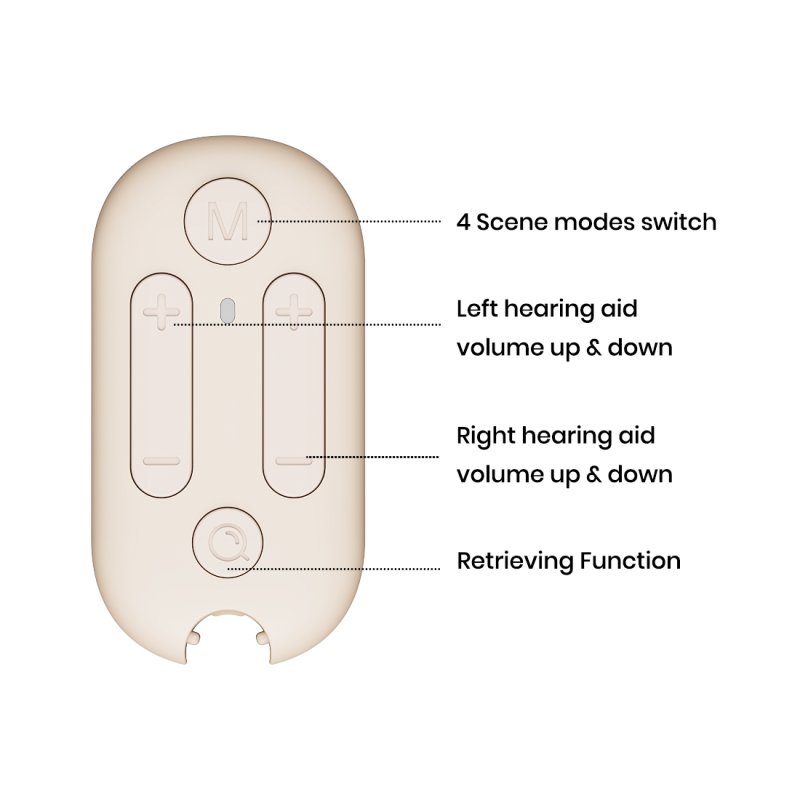
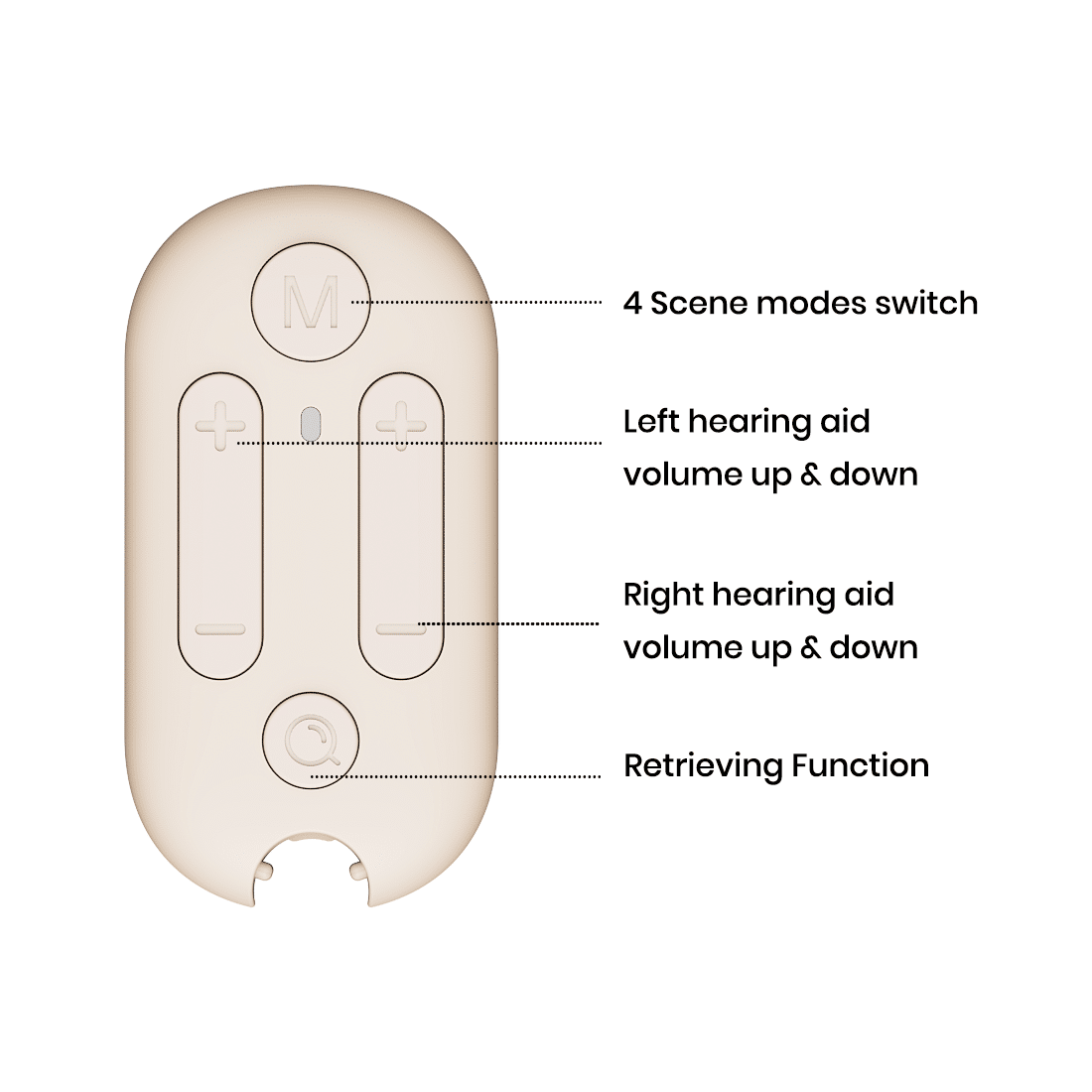
A remote control for OTC hearing aids is a small handheld device (separate from your phone) that talks to your hearing aids wirelessly. Instead of touching the tiny buttons on your aids, you press the larger buttons on the remote.
Most remotes let you:
Some newer remotes or smartphone apps can even help you locate a lost hearing aid by making it make a sound or flash light.
For support and neutral information about OTC aids and your options, you can also check:

Your remote control is built to keep things simple while still giving you helpful options. Let’s walk through the key buttons and what they do.
The most basic job of your remote is volume control. Instead of turning a tiny wheel or button on the hearing aids themselves, you can tap the remote to:(NIDCD)
Tips for safe volume use:
For a simple overview of hearing aids and how they handle sound, you can also look at:
On your remote, the top round button with the “M” icon lets you switch between four listening programs (also called “scenes”):
Changing scenes is often more helpful than just cranking the volume. Hearing experts explain that using the right program for the environment can improve clarity and comfort without over-amplifying everything.(NIDCD)
You can learn more about how different hearing aid settings work in real life from:
The bottom round button on your remote has a magnifying-glass icon. This is your “find my hearing aid” button.
When you press it:
This kind of “locator” feature is similar to what some hearing aid apps offer, where you can track or trigger your devices from your phone. Using a dedicated remote button keeps it simple, even if you’re not a smartphone person.

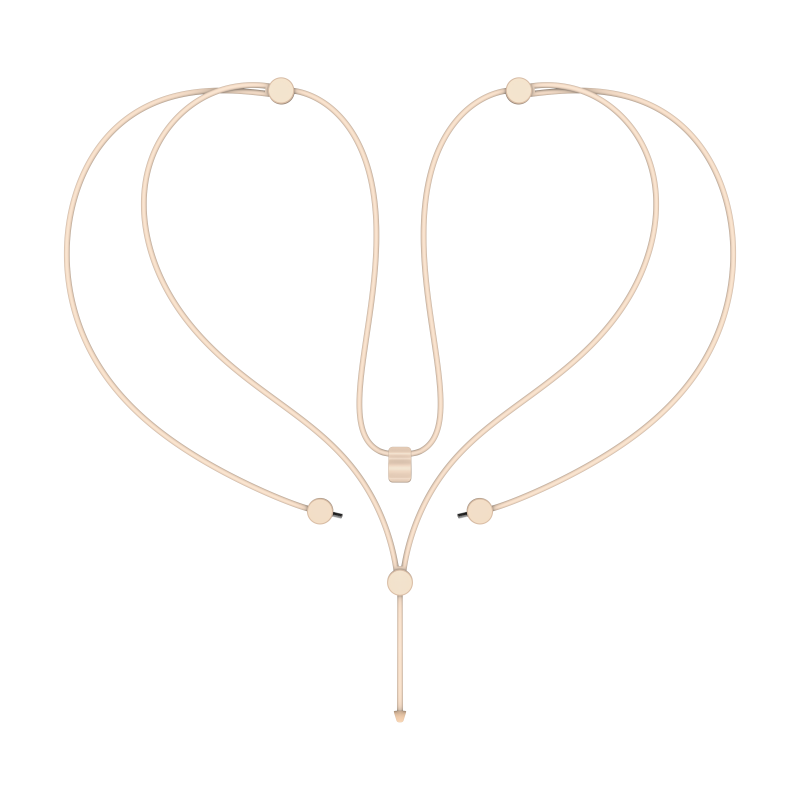
Your remote can also attach to a patented anti-loss lanyard. This looks like a small strap or cord you can:
Because remote controls are small and light, they’re easy to misplace. Keeping yours on a lanyard:
State agencies and non-profits that support people who are deaf or hard of hearing often recommend simple accessories and routines that make assistive devices easier to manage day to day.(mn.gov // Minnesota’s State Portal)
OTC hearing aids, with or without a remote control, are not for everyone. U.S. health agencies say they are meant for adults who:(U.S. Food and Drug Administration)
If you’re not sure where you fit, these resources can help you understand the basics:
If your hearing loss feels more serious, or your hearing seems to keep getting worse even with your aids, it’s smart to see an audiologist or ear, nose, and throat (ENT) doctor.
To get the best results:
Professional groups like ASHA remind people that even with OTC devices, good habits and regular check-ins with hearing professionals can lead to better long-term results.(ASHA)
For more trusted guidance on choosing and using OTC devices, you can also review:
Even with a great remote and good programs, you should contact a hearing professional or doctor if you notice:
These can be signs of a medical problem that needs more than an OTC hearing aid.
A remote control for OTC hearing aids is more than a convenience. It’s a simple tool that helps you:
Used together with trusted guidance from resources like NIDCD, MedlinePlus, and HLAA, your remote and OTC hearing aids can make it easier to stay connected to the people and moments that matter most.(NIDCD)
If you’d like, next I can help you:
Over-the-counter (OTC) hearing aids are real medical devices regulated by the U.S. Food and Drug Administration (FDA). That regulation is

If you’re 50+ and noticing you can “hear” people but can’t always understand them—especially in restaurants, family gatherings, or on
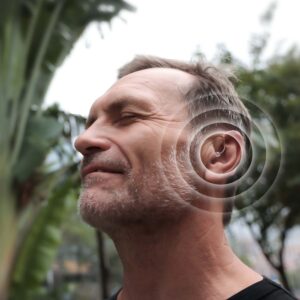
The Annoying Whistle Is Not Your Fault If you’ve ever put on a hearing aid and heard that sharp “eeee”
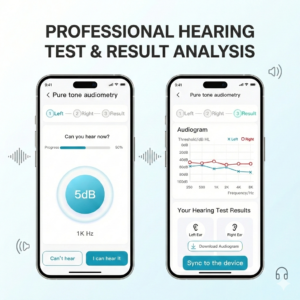
If you’re 50+ and noticing you miss words (not just sounds), you’ve probably thought about going to a hearing clinic—then