

FDA Regulations for OTC Hearing Aids What They Mean for You in 2026
Over-the-counter (OTC) hearing aids are real medical devices regulated by the U.S. Food and Drug Administration (FDA). That regulation is
If you’re 50+ and struggling to hear family conversations, TV dialogue, or the person across the dinner table, you’re not alone. The hard part is this: many “traditional” prescription hearing aids can cost thousands of dollars, especially after professional fitting, follow-ups, and accessories. That’s why so many adults are now looking for affordable OTC hearing aids that still feel “advanced”—with features like strong amplification, low noise, minimal whistling (feedback), app customization, and Bluetooth.
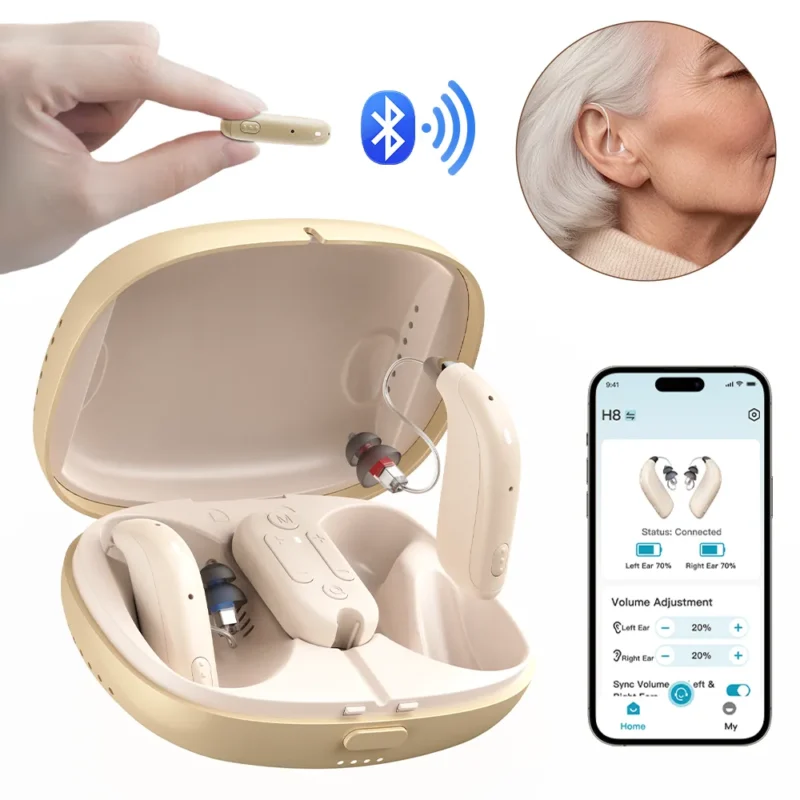
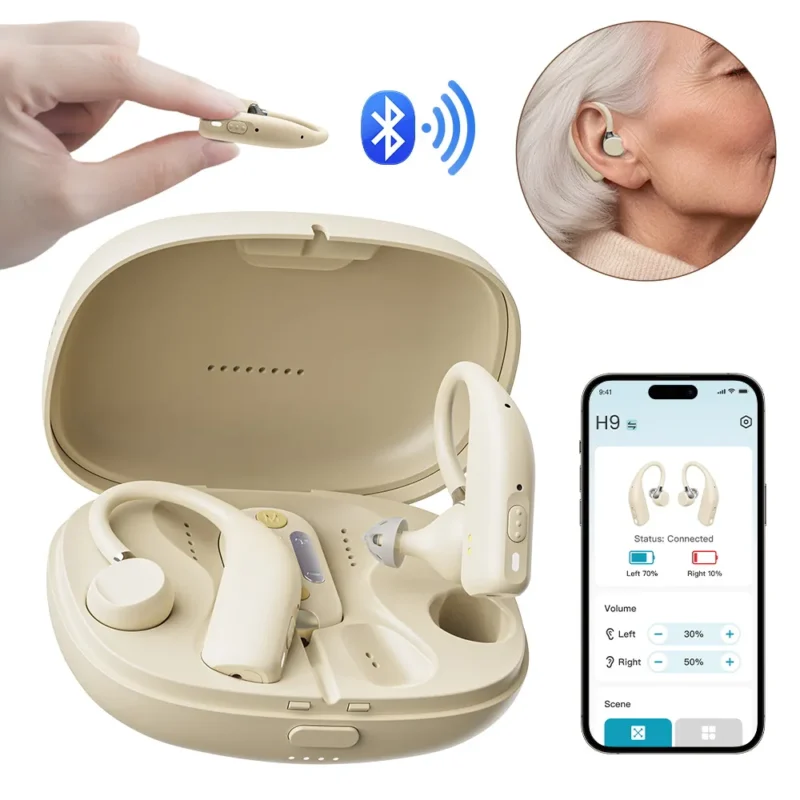
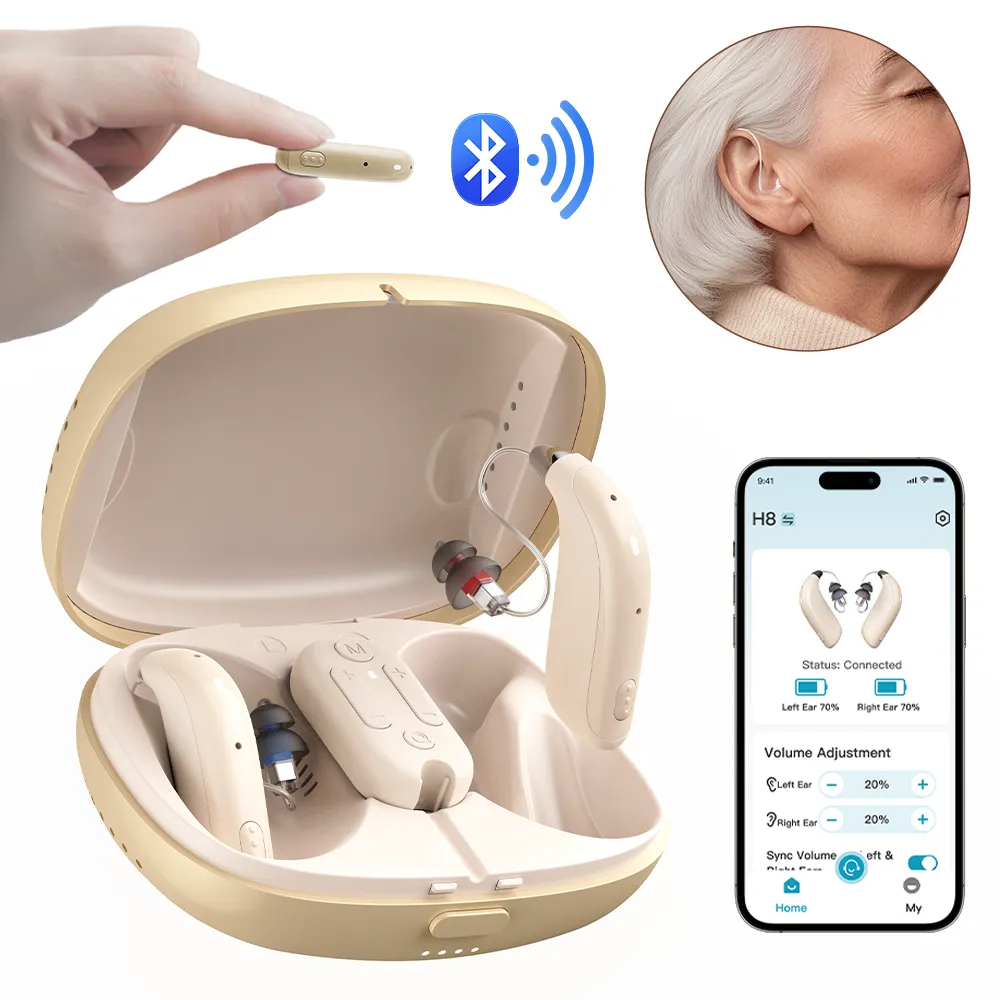
This guide will help you understand what “up to 60 dB gain” really means, who OTC hearing aids are (and aren’t) designed for, how to avoid noisy/whistling devices, and how to choose between two high-feature options: PureHear Pro H8 (RIC) and Nature Pro H9 (BTE).
Important note: The FDA’s OTC hearing aid category is intended for adults (18+) with perceived mild to moderate hearing loss. If you suspect severe hearing loss or have medical warning signs, you should get a professional hearing evaluation first. (U.S. Food and Drug Administration)

“Gain” is simply how much louder a hearing aid can make sound (measured in decibels). If you’ve tried weak amplifiers before, you may have felt like you could “hear something” but still couldn’t understand words clearly. Higher gain can help—especially for people who need more support for everyday speech.
That said, gain alone isn’t the whole story. The most satisfying hearing experience comes from a combination of:
A customer review for Flysound’s H8 mentions “up to 60 dB of gain” and specifically calls out improved clarity and reduced whistling experience, which matches what many buyers look for when moving beyond basic amplifiers. (The Best AI OTC Hearing Aids Flysound)

The FDA created an OTC hearing aid category so adults could buy hearing aids more easily, without needing a medical exam or prescription. But OTC devices are intended for adults 18+ with perceived mild to moderate hearing loss. (U.S. Food and Drug Administration)
Hearing professionals often describe hearing levels by decibel ranges (dB HL). One widely used set of ranges is:
If your hearing is in the “severe to profound” zone (PTA > ~70 dB HL), hearing aids may provide limited benefit and other options (like cochlear implants) may be considered—so it’s especially important to get professional guidance. (NIDCD)
ASHA notes OTC hearing aids generally work best for mild to moderate hearing loss and provides situations where you should consult a medical provider first. (ASHA)
Practical “go get checked” signs (don’t ignore these):
If you’ve ever tried hearing devices that sounded “hissy,” “harsh,” or constantly squealed, you already know: low noise + low feedback can matter as much as raw power.
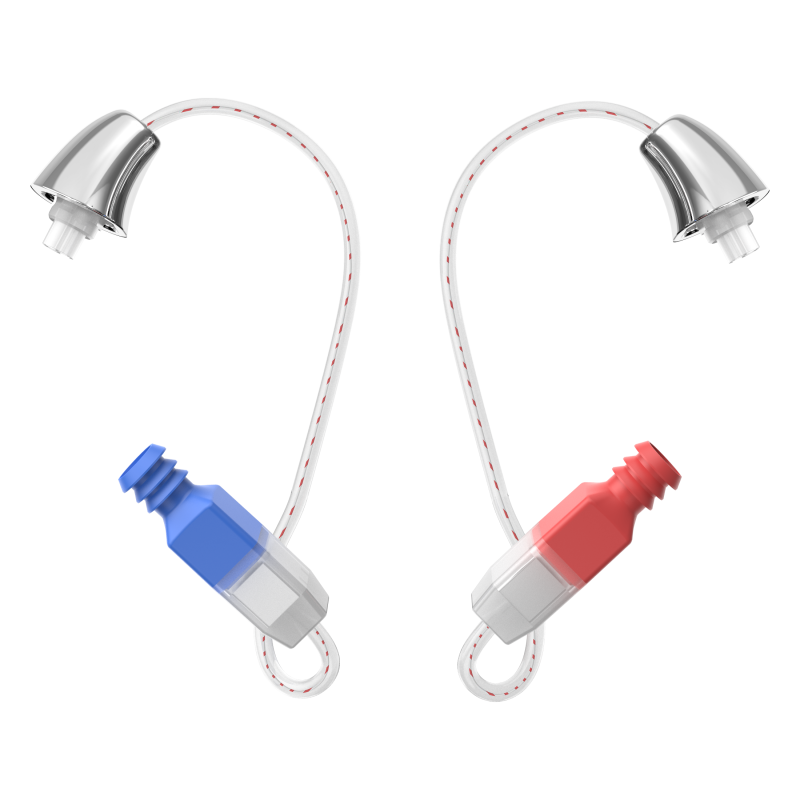
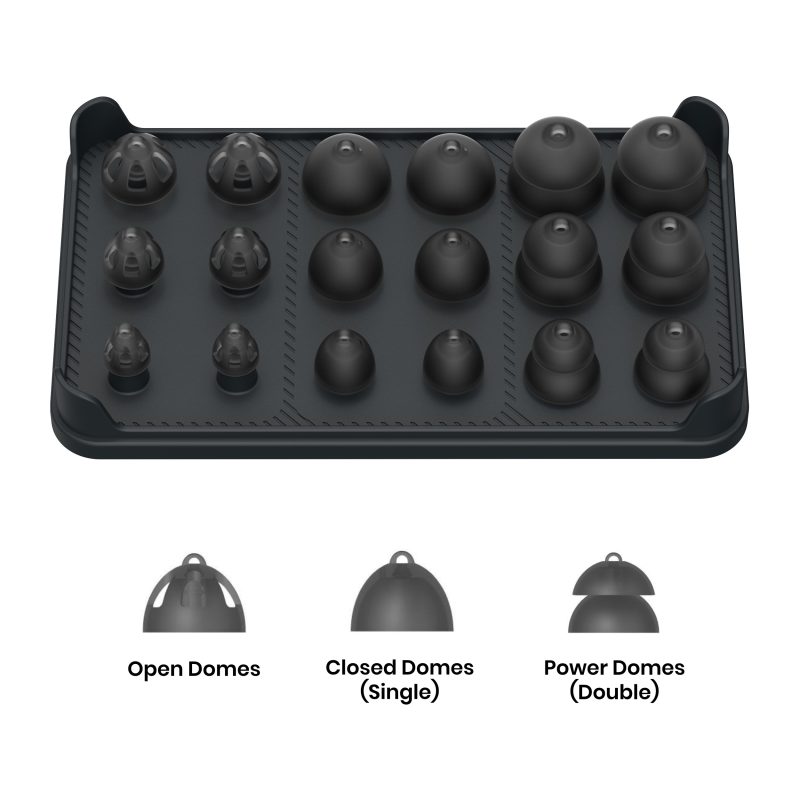
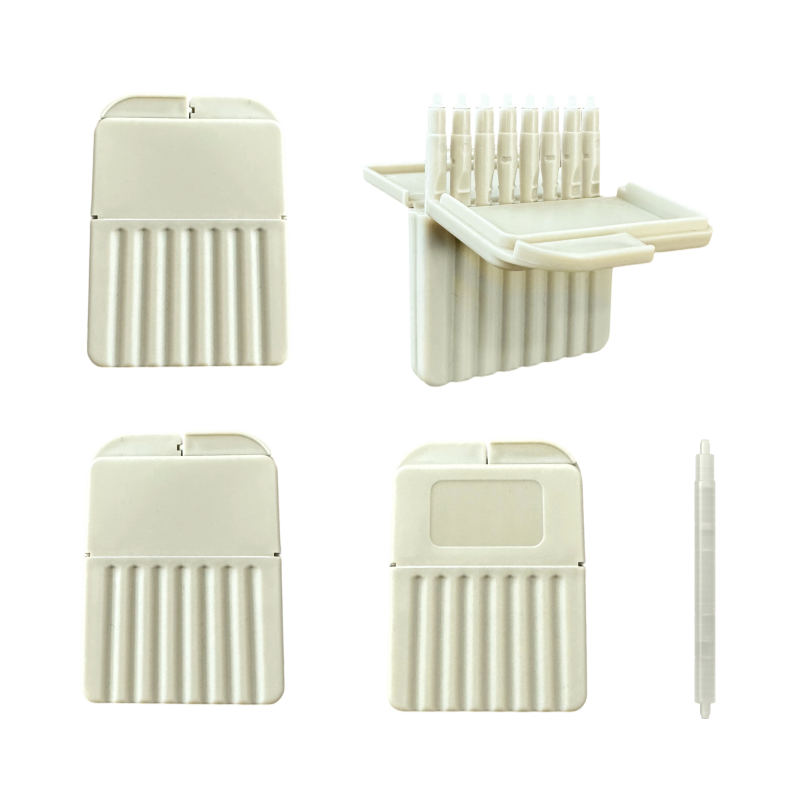
Whistling (feedback) often happens when amplified sound leaks out and gets picked up again by the microphone—creating a loop. Common causes include poor fit, earwax, or the device not sitting correctly. The Better Hearing Institute lists several practical reasons and fixes (fit, cleaning, checking domes/molds, etc.). (betterhearing.org)
Quick anti-whistling checklist:
Flysound positions H8/H9 as “intelligent sound processing” with “AI-powered / AI-enhanced noise reduction.” (The Best AI OTC Hearing Aids Flysound)
Real life is noisy: restaurants, TV, air conditioners, street noise. Devices that let you adjust noise reduction (or choose different listening modes) are easier to live with long-term.
The FDA notes that self-fitting hearing aids may offer greater customization through hearing tests, software, and smartphone apps. (U.S. Food and Drug Administration)
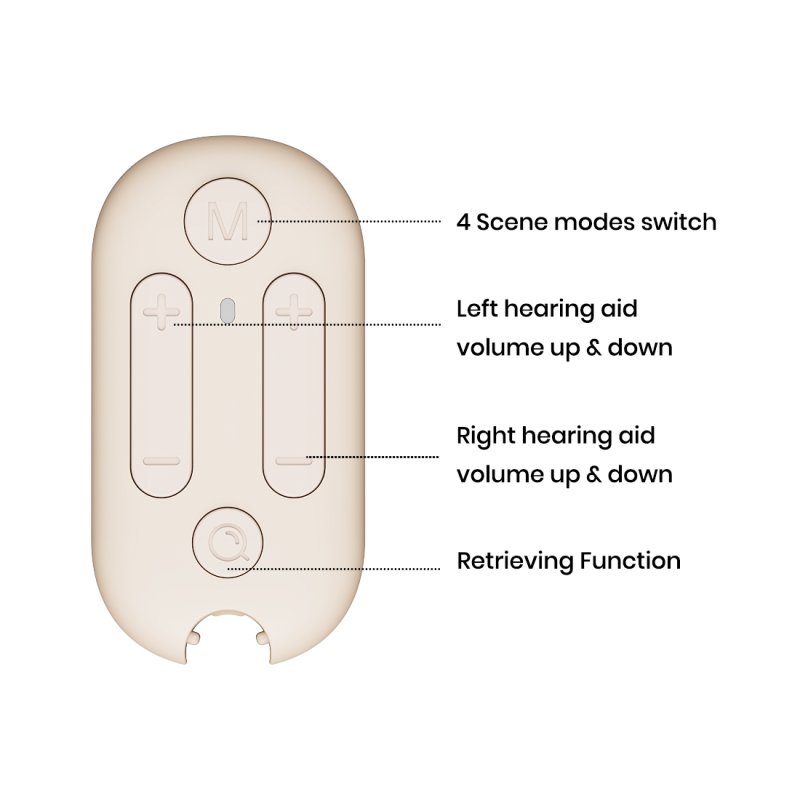
So for people who want “advanced” features without clinic pricing, an app that supports hearing test + fitting adjustments can be a major advantage.
Rechargeable hearing aids remove the frustration of tiny disposable batteries. Flysound lists up to 14-hour battery and a 15-minute quick charge up to 6 hours for both H8 and H9. (The Best AI OTC Hearing Aids Flysound)
You also mentioned a 2-in-1 charging + drying case, which is especially helpful if you live in humid areas or perspire—moisture management can improve comfort and reliability.
Flysound’s product pages highlight Bluetooth connectivity for calls and music and “immersive audio for TV and calls.” (The Best AI OTC Hearing Aids Flysound)
For many adults, this is the “I finally feel modern again” feature—especially for phone calls and TV dialogue.

Both models are positioned at $499 on Flysound’s site and include a 50-day risk-free trial on the product pages. (The Best AI OTC Hearing Aids Flysound)
Here’s how to choose based on wearing style and priorities:
Choose H8 if you want:
Internal link CTA (use this anchor):
Choose H9 if you want:
Internal link CTA (use this anchor):
Many people quit too early. Your brain needs time to “re-learn” sounds.
Day 1–2: Start Quiet
Day 3–4: Add Light Background Sound
Day 5–7: Try Real Life
Pro tip: If you get whistling, don’t just turn volume down and suffer—re-seat the device, try a different dome size, and clean wax guards/domes. (betterhearing.org)
OTC hearing aids are designed for adults with perceived mild to moderate hearing loss. (U.S. Food and Drug Administration)
If you suspect severe hearing loss, a professional hearing test is strongly recommended.
Higher gain can help, but the best outcome depends on speech processing, fit, and your hearing profile. If your hearing loss is severe-to-profound (PTA > ~70 dB HL), hearing aids may provide limited benefit—get professional guidance. (NIDCD)
Most whistling is caused by sound leakage, poor fit, or wax buildup. Try reseating, changing dome size, and cleaning. (betterhearing.org)
Advanced noise reduction and correct fitting can reduce harshness. Start in quiet settings and increase complexity gradually over a week.
You don’t have to, but a professional hearing evaluation can be valuable—especially if your hearing feels more than mild/moderate. (ASHA)
Flysound highlights a 50-day risk-free trial on the product pages. (The Best AI OTC Hearing Aids Flysound)
Also review the full policy here: Refund and Return Policy → https://www.flysounds.com/refund_returns/ (The Best AI OTC Hearing Aids Flysound)
OTC devices can offer app-based customization; the FDA notes self-fitting devices may use hearing tests and smartphone apps for adjustment. (U.S. Food and Drug Administration)
H8 (RIC) is typically more discreet; H9 (BTE) is often easier to handle and feels more “traditional.” Pick the style you’ll actually wear every day.
If you want advanced features at an affordable price, start with the model that matches your wearing preference:
And before you buy, it’s smart to read the return details:
Medical disclaimer: This article is for general education and is not medical advice. If you have sudden hearing loss, pain, drainage, dizziness, or suspect severe/profound hearing loss, seek professional care. (ASHA)
Over-the-counter (OTC) hearing aids are real medical devices regulated by the U.S. Food and Drug Administration (FDA). That regulation is

If you’re 50+ and noticing you can “hear” people but can’t always understand them—especially in restaurants, family gatherings, or on
The Annoying Whistle Is Not Your Fault If you’ve ever put on a hearing aid and heard that sharp “eeee”
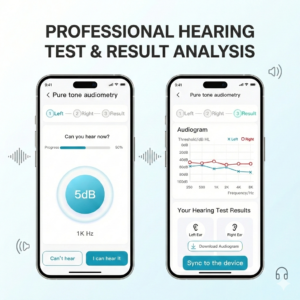
If you’re 50+ and noticing you miss words (not just sounds), you’ve probably thought about going to a hearing clinic—then