

FDA Regulations for OTC Hearing Aids What They Mean for You in 2026
Over-the-counter (OTC) hearing aids are real medical devices regulated by the U.S. Food and Drug Administration (FDA). That regulation is

If you’re 50+ and noticing you can “hear” people but can’t always understand them—especially in restaurants, family gatherings, or on TV—you’re not alone. The biggest change in 2026 is that you have more valid options than ever: OTC hearing aids, self-fitting app-based devices, and traditional prescription hearing aids—each with different costs, convenience, and support levels. The key is choosing the path that fits your hearing level, your lifestyle, and your comfort with technology, without overpaying for features you won’t use.
Below is a step-by-step checklist that makes the decision simple.
A hearing aid that’s “amazing” for one person can be disappointing for another, simply because their hearing loss is different.
A common professional guide to hearing-loss degree uses these ranges:
Why this matters: as hearing thresholds rise, you usually need more gain (amplification) and better processing to keep speech clear. (ASHA)
Important reality check: NIDCD notes that when PTAs are greater than 70 dB HL, hearing aids may provide limited benefit and cochlear implants may be considered. (NIDCD)
So if you suspect very severe or profound loss, professional evaluation becomes much more important.
Red-flag symptoms (don’t self-diagnose): sudden hearing loss, ear pain/drainage, dizziness, or one ear much worse than the other—seek medical care first. (Hearing Loss Association of America –)

OTC hearing aids are available without a prescription or mandatory clinic visit. The FDA explains OTC hearing aids are intended for adults 18+ with perceived mild to moderate hearing loss, and many devices allow user control and customization through tools like software or tests (including app-based self-fitting). (U.S. Food and Drug Administration)
Best for you if:
Prescription hearing aids can be best if you need professional diagnostics, complex programming, or you have medical concerns and want in-person support.
Best for you if:
2026 trend note: Software-based “hearing aid features” are becoming more mainstream—FDA even authorized an OTC hearing aid software feature intended for self-fitting use with compatible earbuds (as a concept example of where the industry is going). (U.S. Food and Drug Administration)

Most people buy the wrong hearing aid because they shop by ads, not by their day-to-day situations. Use this quick “real life” checklist:
Prioritize:
Prioritize:
Prioritize:
(If you’ve experienced whistling, Better Hearing Institute notes common causes include poor fit, volume too high, and wax—plus practical fixes.) (betterhearing.org)
Prioritize:
One of the most important changes in recent years is that “self-fitting” is no longer a gimmick when done well.
The FDA notes self-fitting style devices may offer greater customization through hearing tests, software, and smartphone apps, letting users control and tailor settings without a professional visit. (U.S. Food and Drug Administration)
For many adults 50+, that means:
Practical tip: Even with a good device, expect an adjustment period. Hearing Loss Association of America’s OTC tip sheet emphasizes that it can take time to adapt and that you may still choose to seek professional help if needed. (Hearing Loss Association of America –)
When you’re choosing a hearing aid in 2026, it’s easy to get distracted by marketing terms. Instead, focus on the five features that make the biggest difference in real life—especially if you want clear speech, less noise, and fewer problems like whistling.
Many people assume hearing aids should feel perfect on day one. That’s rarely true.
Days 1–2: Quiet Only
Days 3–4: Add Normal Background Sound
Days 5–7: Real World Practice
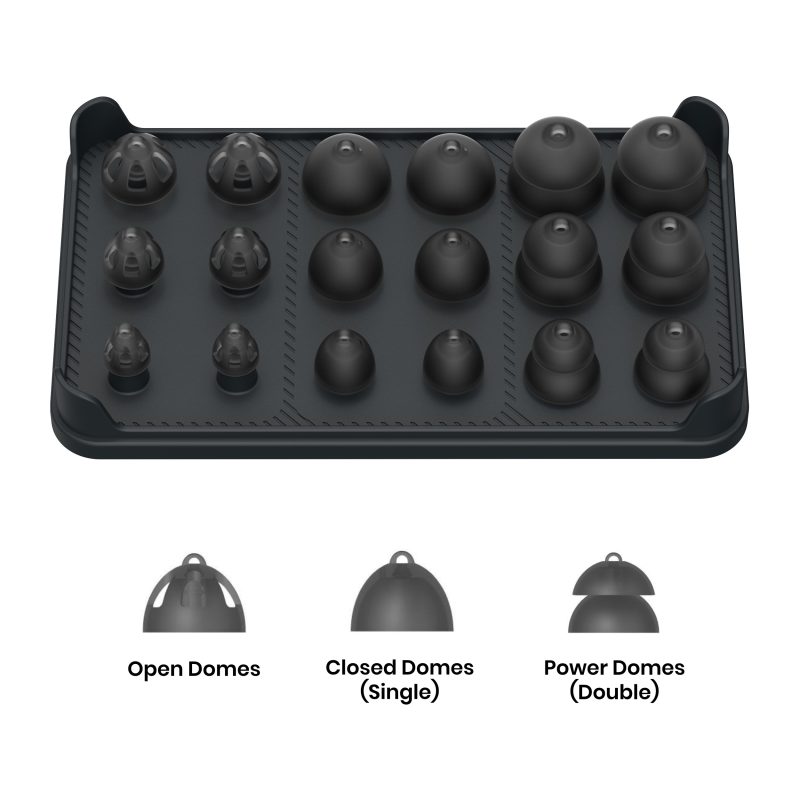
If feedback happens, use the standard checklist: reseat, check dome size, clean wax, and avoid pushing volume too high. (betterhearing.org)
Yes—OTC hearing aids are a regulated category. The FDA explains they can be sold over the counter and may allow users to customize settings through tools/tests/software, including app-based customization. (U.S. Food and Drug Administration)
Be careful. Severe-to-profound hearing loss often needs professional evaluation, and NIDCD notes hearing aids may provide limited benefit when PTAs are greater than 70 dB HL. (NIDCD)
Whistling (feedback) is often caused by sound leakage from poor fit, wax buildup, or high volume. Reseating the device, changing dome size, cleaning, and lowering volume typically helps. (betterhearing.org)
It varies, but many people need days to weeks. HLAA notes it may take time to adjust and encourages continued trying, with professional help if needed. (Hearing Loss Association of America –)
Over-the-counter (OTC) hearing aids are real medical devices regulated by the U.S. Food and Drug Administration (FDA). That regulation is
The Annoying Whistle Is Not Your Fault If you’ve ever put on a hearing aid and heard that sharp “eeee”
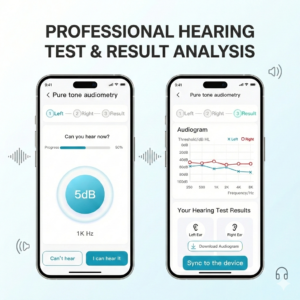
If you’re 50+ and noticing you miss words (not just sounds), you’ve probably thought about going to a hearing clinic—then

If you’re 50+ and struggling to hear family conversations, TV dialogue, or the person across the dinner table, you’re not